
Last, financial statements are only as reliable as the information being fed into the reports. Too often, it’s been documented that fraudulent financial activity or poor control oversight have led to misstated financial statements intended to mislead users. Even when analyzing audited financial statements, there is a level of trust that users must place in the validity of the report and the figures being shown. Check out our FREE guide, Use Financial Statements to Assess the Health of Your Business, to learn more about the different types of financial statements for your business.
- The first in the order of financial statements is the income statement.
- Before you can dive into the order of financial statements, find out what the main financial statements are.
- Making your income statement first lets you see your business’s net income and analyze your sales vs. debt.
- Noting the year-over-year change informs users of the financial statements of a company’s health.
- That way, they can see whether or not your company is a good investment.
- In ExxonMobil’s statement of changes in equity, the company also records activity for acquisitions, dispositions, amortization of stock-based awards, and other financial activity.
As you know by now, the income statement breaks down all of your company’s revenues and expenses. You need your income statement first because it gives you the necessary information to generate other financial statements. The cash flow statement reconciles the income statement with the balance sheet in three major business activities.
Example of an Income Statement
As you create your balance sheet, include any current and long-term assets, current and noncurrent liabilities, and the difference between your assets and liabilities, or equity. Last week we outlined the four primary types of financial statements. These statements include the cash flow statement, the balance sheet, income statement, and the statement of retained earnings. These statements are essential for assessing the current state of your business’s finances, as well as projecting future earnings.

The cash flow statement (CFS) measures how well a company generates cash to pay its debt obligations, fund its operating expenses, and fund investments. The cash flow statement complements the balance sheet and income statement. Your income statement, also called a profit and loss statement (P&L), reports your business’s profits and losses over a specific period of time. You can use an income statement to summarize business operations for a certain time frame (e.g., monthly, quarterly, etc.). In addition, U.S. government agencies use a different set of financial reporting rules.
Fourth: Cash Flow Statement
Use the information from your income statement and retained earnings statement to help create your balance sheet. Then, list out any expenses your company had during the period and subtract the expenses from your revenue. The bottom of your income statement will tell you whether you have a net income or loss for the period. Your assets are items of value and things that your business owns. Current assets are items of value that can convert into cash within one year (e.g., checking account). Noncurrent assets are items of value that take more than one year to convert into cash.
- Financial statements provide all the detail on how well or poorly a company manages itself.
- This statement will show you how cash has changed in your revenue, expense, asset, equity, and liability accounts during this accounting period.
- The date at the top of the balance sheet tells you when the snapshot was taken, which is generally the end of the reporting period.
- Investors can also see how well a company’s management is controlling expenses to determine whether a company’s efforts in reducing the cost of sales might boost profits over time.
- Your income statement, also called a profit and loss statement (P&L), reports your business’s profits and losses over a specific period of time.
- We will examine the statement of cash flows in more detail later but for now understand it is a required financial statement and is prepared last.
Cash from financing activities includes the sources of cash from investors or banks, as well as the uses of cash paid to shareholders. Financing activities include debt issuance, equity issuance, stock repurchases, loans, dividends paid, and repayments of debt. Your income statement gives you insight into your company’s income and expenses.
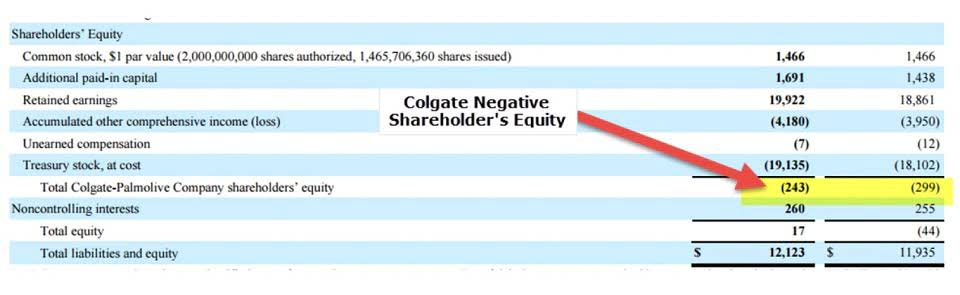
Shareholders’ Equity
The first in the order of financial statements is the income statement. You need to prepare this first because it gives you the necessary information to generate the other financial statements. Making your financial statements are typically prepared in the following order income statement first lets you see your business’s net income and analyze your sales vs. debt. First, financial statements can be compared to prior periods to better understand changes over time.
Now that you know all about the four basic financial statements, read on to learn what financial statement is prepared first. Investors, lenders, and vendors might be interested in checking out your business’s cash flow statement. That way, they can see whether or not your company is a good investment. Before you can dive into the order of financial statements, find out what the main financial statements are. Check out a quick overview below of the four types of financial statements in accounting.
Financial statements are written records that convey the business activities and the financial performance of a company. Financial statements are often audited by government agencies, accountants, firms, etc. to ensure accuracy and for tax, financing, or investing purposes. For-profit primary financial statements include the balance sheet, income statement, statement of cash flow, and statement of changes in equity.
For example, comparative income statements report what a company’s income was last year and what a company’s income is this year. Noting the year-over-year change informs users of the financial statements of a company’s health. The operating activities on the CFS include any sources and uses of cash from running the business and selling its products or services. Cash from operations includes any changes made in cash accounts receivable, depreciation, inventory, and accounts payable. These transactions also include wages, income tax payments, interest payments, rent, and cash receipts from the sale of a product or service.